|
|
|
Okay, here's a more human-sounding rewrite of that rope-drying guide:
**1. Rope Stuff and How It Dries**
So, different ropes act differently when they get wet:
| Material | What Happens When Wet | How to Dry It |
| ----------------------------- | --------------------------------------------- | ------------------------------------------------------------------------------------------------------------------- |
| Nylon | Soaks up water, can stretch a bit | Dries slow. Keep it out of the sun for too long; the UV rays mess it up. |
| Polyester | Barely soaks up water, stays strong | Dries faster than nylon. Also, it can take more sun. |
| Polypropylene | Floats, doesn't soak up water much | Dries super quick but doesn't last as long. |
| Natural Stuff (Manila, etc.) | Soaks up water, might shrink or even rot! | Dry it in the shade; try to dry it fast to stop mold. Might get stiff after it dries up. |
| Dyneema | BARELY soaks up water, crazy strong | Dries fast. Prolonged sun will shorten lifespan. |
Basically: Ropes made of plastic usually dry faster and stay stronger than the natural ones.
**2. Drying Your Rope the Right Way**
* **Shake it out:**
After you use it, shake the water off or run your hand down it. Don't twist it like you're wringing out a towel because that can mess up the fibers, mainly if it's a natural rope.
* **Untangle it:**
Coil it or hang it up so it doesn't get tangled. Knots hold water and make it take longer to dry.
* **Let it breathe:**
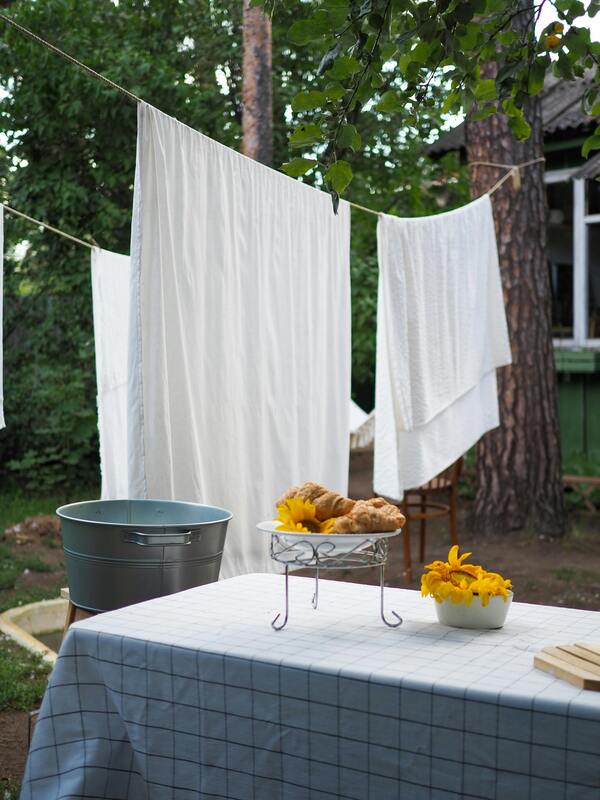
Good airflow is what you need. Use a rope bag, hang it on a fence, or put it on a clothesline. Don't just leave it on the ground because the ground holds moisture and can cause mildew.
* **No direct heat!**
Don't use heaters, ovens, or hairdryers. Hot stuff can melt or weaken plastic ropes.
* **Easy on the sun:**
The sun can damage plastic ropes, so keep it out of direct sunlight. A little bit is okay, but too much will shorten its life.
* **Check inside:**
The outside of the rope might feel dry, but the inside can still be wet. Loosen it up and flip it every so often to help it dry everywhere.
**3. Putting It Away**
Coil it up nicely or put it in a rope bag. Keep it in a cool, dry spot away from sunlight and chemicals. Look at it now and then for frays or soft spots before you use it next time.
**4. Other Things to Keep In Mind**
* **Climbing ropes:**
These NEED to be totally dry before you store them, or they'll get weak.
* **Salty water:**
If you use it in saltwater, rinse it with fresh water before you dry it, or the salt will mess with the fibers.
* **Mold:**
Natural ropes get moldy, so dry them fast and keep them in a place where air can get to them.
**5. Quick Drying**
* Coil the rope in a figure-eight pattern, so air can get to more of it.
* Hang it up and let gravity help drain the water.
* Use a fan to dry it inside, but NO HEAT.
* Plastic ropes can dry faster if you spread them out on a clean surface.
**Basically:**
Drying rope is all about:
* Knowing what kind of rope you have
* Getting the extra water off
* Hanging it where air can get to it, but not in direct sunlight
* Keeping it away from heat
* Storing it the right way
**1. Rope Stuff and How It Dries**
So, different ropes act differently when they get wet:
| Material | What Happens When Wet | How to Dry It |
| ----------------------------- | --------------------------------------------- | ------------------------------------------------------------------------------------------------------------------- |
| Nylon | Soaks up water, can stretch a bit | Dries slow. Keep it out of the sun for too long; the UV rays mess it up. |
| Polyester | Barely soaks up water, stays strong | Dries faster than nylon. Also, it can take more sun. |
| Polypropylene | Floats, doesn't soak up water much | Dries super quick but doesn't last as long. |
| Natural Stuff (Manila, etc.) | Soaks up water, might shrink or even rot! | Dry it in the shade; try to dry it fast to stop mold. Might get stiff after it dries up. |
| Dyneema | BARELY soaks up water, crazy strong | Dries fast. Prolonged sun will shorten lifespan. |
Basically: Ropes made of plastic usually dry faster and stay stronger than the natural ones.
**2. Drying Your Rope the Right Way**
* **Shake it out:**
After you use it, shake the water off or run your hand down it. Don't twist it like you're wringing out a towel because that can mess up the fibers, mainly if it's a natural rope.
* **Untangle it:**
Coil it or hang it up so it doesn't get tangled. Knots hold water and make it take longer to dry.
* **Let it breathe:**
Good airflow is what you need. Use a rope bag, hang it on a fence, or put it on a clothesline. Don't just leave it on the ground because the ground holds moisture and can cause mildew.
* **No direct heat!**
Don't use heaters, ovens, or hairdryers. Hot stuff can melt or weaken plastic ropes.
* **Easy on the sun:**
The sun can damage plastic ropes, so keep it out of direct sunlight. A little bit is okay, but too much will shorten its life.
* **Check inside:**
The outside of the rope might feel dry, but the inside can still be wet. Loosen it up and flip it every so often to help it dry everywhere.
**3. Putting It Away**
Coil it up nicely or put it in a rope bag. Keep it in a cool, dry spot away from sunlight and chemicals. Look at it now and then for frays or soft spots before you use it next time.
**4. Other Things to Keep In Mind**
* **Climbing ropes:**
These NEED to be totally dry before you store them, or they'll get weak.
* **Salty water:**
If you use it in saltwater, rinse it with fresh water before you dry it, or the salt will mess with the fibers.
* **Mold:**
Natural ropes get moldy, so dry them fast and keep them in a place where air can get to them.
**5. Quick Drying**
* Coil the rope in a figure-eight pattern, so air can get to more of it.
* Hang it up and let gravity help drain the water.
* Use a fan to dry it inside, but NO HEAT.
* Plastic ropes can dry faster if you spread them out on a clean surface.
**Basically:**
Drying rope is all about:
* Knowing what kind of rope you have
* Getting the extra water off
* Hanging it where air can get to it, but not in direct sunlight
* Keeping it away from heat
* Storing it the right way
Okay, here's a more human way to explain rope types:
**1. Ropes by What They're Made Of**
**Synthetic Ropes:**
* **Nylon:** Really strong and stretchy. It soaks up water and can handle wear and tear. Good for climbing, towing stuff, or using as anchor lines. Just remember it takes a while to dry and gets a bit weaker when wet.
* **Polyester (PET):** Strong, doesn't stretch much, and can withstand the sun. Plus, it's not bothered by water. People use it for sailing, rigging, and other outdoor stuff. It dries faster than nylon and stays strong even when wet.
* **Polypropylene:** Light and floats! It also doesn't absorb water. Great for water sports, rescues, and quick, temporary lines. Not the toughest though, and the sun can damage it over time.
* **Dyneema / UHMWPE:** Super strong and light. BARELY stretches and barely absorbs water. Used for serious climbing, sailing, rescues, and anything that needs to hold a lot of weight. Also dries super fast, but watch out for too much sun.
**Natural Fiber Ropes:**
* **Manila (Abaca):** Strong with a rough feel. It absorbs water. Good for decorations, old-school rigging, and farm stuff. But it can rot or get stiff when wet, so you gotta dry it fast.
* **Cotton:** Soft and easy to bend. It also absorbs water. People use it for crafts, stage stuff, and things inside. Gets weak when wet and can get moldy.
* **Hemp / Jute / Sisal:** Stiff and rough, soaks up water. For decorations, gardening, and light rigging. Can rot and get mildew, plus it takes a long time to dry.
**2. Ropes by How They're Made**
* **Twisted (Laid) Rope:** Fibers are twisted into strands, then the strands are twisted together.
* **Pros:** Cheap and easy to splice.
* **Cons:** Not that flexible, can come undone under stress, and not as strong as braided ropes of the same size.
* **Uses:** Just for tying things, general purposes , and towing.
* **Braided Rope:** Fibers are woven together to make a smooth, strong rope.
* **Double-braided:** Has a braided core inside a braided outer layer. Really strong and doesn't stretch much.
* **Single-braided (hollow braid):** More loose, flexible, and light. Can get kinks easier.
* **Uses:** Sailing, climbing, rescues, and anchor lines.
* **Kernmantle Rope:** Has a core (kern) that provides strength and an outer layer (mantle) for protection and handling.
* **Pros:** Very strong, bendable, tough, and resists wear.
* **Uses:** Climbing, rescues, rope .
* **Notes:** Check it for damage on the inside.
* **Braid-on-Braid Rope:** A braided core inside a braided cover. Very strong and durable, often doesn't stretch much.
* **Uses:** Sailing, lifting heavy stuff, and outdoor jobs.
**3. Special Ropes**
* **Static Rope:** Barely stretches. Used for hauling things or rescues.
* **Dynamic Rope:** Stretches a good amount. Made for catching falls in climbing.
* **Mooring / Dock Line:** Thick and tough. Usually made of polypropylene or polyester.
* **Paracord:** Light, bendable, and strong. For survival and everyday use.
**1. Ropes by What They're Made Of**
**Synthetic Ropes:**
* **Nylon:** Really strong and stretchy. It soaks up water and can handle wear and tear. Good for climbing, towing stuff, or using as anchor lines. Just remember it takes a while to dry and gets a bit weaker when wet.
* **Polyester (PET):** Strong, doesn't stretch much, and can withstand the sun. Plus, it's not bothered by water. People use it for sailing, rigging, and other outdoor stuff. It dries faster than nylon and stays strong even when wet.
* **Polypropylene:** Light and floats! It also doesn't absorb water. Great for water sports, rescues, and quick, temporary lines. Not the toughest though, and the sun can damage it over time.
* **Dyneema / UHMWPE:** Super strong and light. BARELY stretches and barely absorbs water. Used for serious climbing, sailing, rescues, and anything that needs to hold a lot of weight. Also dries super fast, but watch out for too much sun.
**Natural Fiber Ropes:**
* **Manila (Abaca):** Strong with a rough feel. It absorbs water. Good for decorations, old-school rigging, and farm stuff. But it can rot or get stiff when wet, so you gotta dry it fast.
* **Cotton:** Soft and easy to bend. It also absorbs water. People use it for crafts, stage stuff, and things inside. Gets weak when wet and can get moldy.
* **Hemp / Jute / Sisal:** Stiff and rough, soaks up water. For decorations, gardening, and light rigging. Can rot and get mildew, plus it takes a long time to dry.
**2. Ropes by How They're Made**
* **Twisted (Laid) Rope:** Fibers are twisted into strands, then the strands are twisted together.
* **Pros:** Cheap and easy to splice.
* **Cons:** Not that flexible, can come undone under stress, and not as strong as braided ropes of the same size.
* **Uses:** Just for tying things, general purposes , and towing.
* **Braided Rope:** Fibers are woven together to make a smooth, strong rope.
* **Double-braided:** Has a braided core inside a braided outer layer. Really strong and doesn't stretch much.
* **Single-braided (hollow braid):** More loose, flexible, and light. Can get kinks easier.
* **Uses:** Sailing, climbing, rescues, and anchor lines.
* **Kernmantle Rope:** Has a core (kern) that provides strength and an outer layer (mantle) for protection and handling.
* **Pros:** Very strong, bendable, tough, and resists wear.
* **Uses:** Climbing, rescues, rope .
* **Notes:** Check it for damage on the inside.
* **Braid-on-Braid Rope:** A braided core inside a braided cover. Very strong and durable, often doesn't stretch much.
* **Uses:** Sailing, lifting heavy stuff, and outdoor jobs.
**3. Special Ropes**
* **Static Rope:** Barely stretches. Used for hauling things or rescues.
* **Dynamic Rope:** Stretches a good amount. Made for catching falls in climbing.
* **Mooring / Dock Line:** Thick and tough. Usually made of polypropylene or polyester.
* **Paracord:** Light, bendable, and strong. For survival and everyday use.